
FlowBiz Guide: Maximizing ROI through Refinery-Petrochemical Integration
Strategic Value Chain Optimization for the Global Hydrocarbon Industry
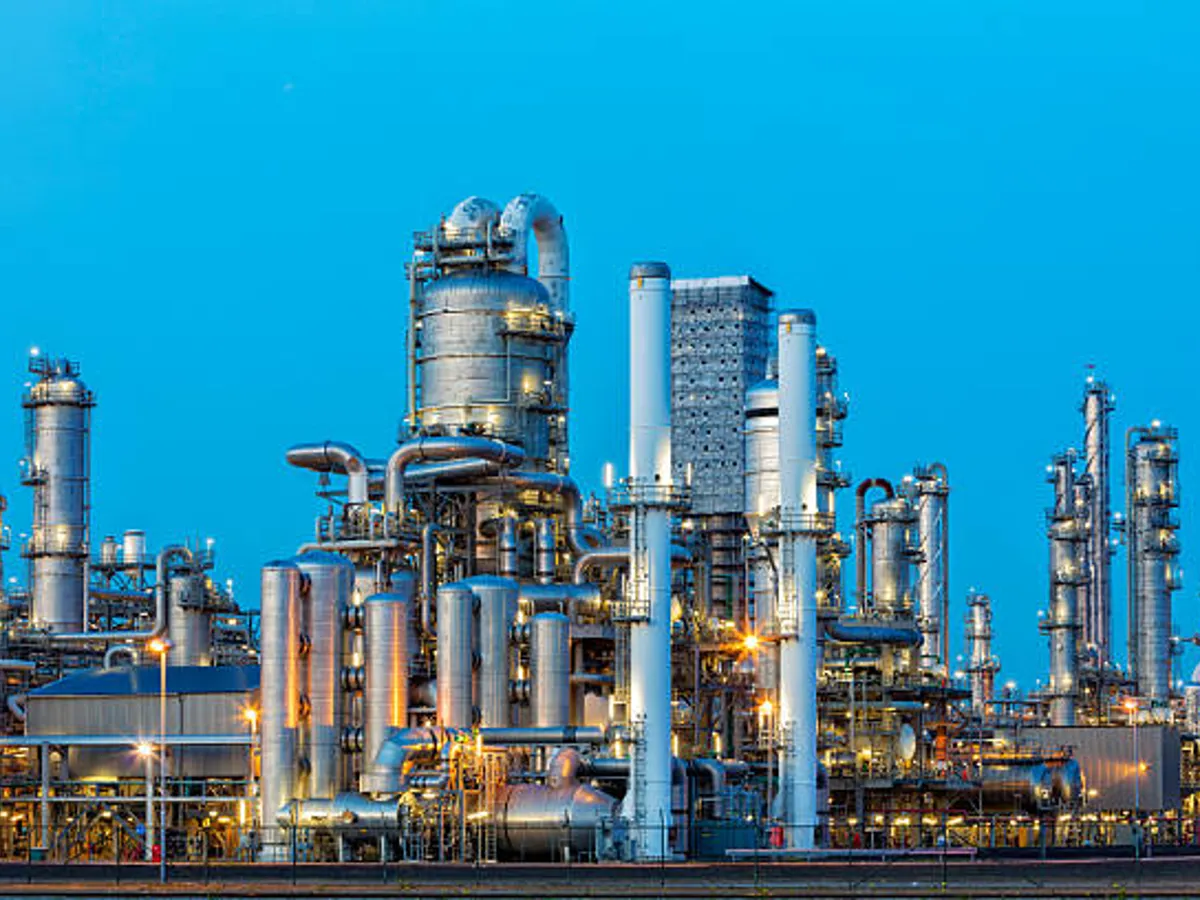
In the 2026 energy landscape, the traditional boundaries between petroleum refining and petrochemical manufacturing are rapidly dissolving. While modern oil refineries prioritize high-volume fuel production—including LPG, Gasoline (Euro VI), Kerosene, Jet A-1 Fuel, Diesel, and Petroleum Coke—petrochemical complexes focus on high-value chemical intermediates.
FlowBiz Export Private Limited, a globally recognized industrial valve manufacturer, provides the high-performance API-standard valves and sanitary strainers required to manage the intricate interconnectivity between these industrial pillars. By implementing deep integration strategies, plants can extract maximum value from every hydrocarbon molecule in the supply chain.
Industrial Synergy: Refineries vs. Petrochemical Plants
The economic foundation of Refinery-Petrochemical integration rests on a singular principle: Process the molecules you already have for maximum margin.
- Refinery Feedstock Contributions: Modern refineries provide FCC (Fluid Catalytic Cracking) off-gas, Naphtha, and LPG, which serve as the primary feedstocks for petrochemical steam crackers.
- Petrochemical Value-Add: Through steam cracking and aromatics extraction, petrochemical units produce high-purity Hydrogen and Pyrolysis Gasoline (Py-gas)—critical components for refinery hydrotreating and high-octane gasoline blending.
Comprehensive Integration Strategy & Technical Framework
This guide analyzes the technical, economic, and operational drivers essential for building a profitable integrated hydrocarbon complex.
1. Historical Evolution to Deep Integration
Historically, these facilities operated as "siloed" entities with independent supply chains. In today’s market, the trend has shifted toward Co-located Integration. This minimizes logistics costs, reduces carbon intensity, and optimizes thermal energy consumption across the site.
2. Key Benefits of Integrated Operations
- Feedstock Flexibility: The agility to pivot production from transportation fuels to ethylene/propylene based on real-time market volatility.
- Operational Energy Efficiency: Utilizing shared utilities—such as high-pressure steam and power generation—lowers the total cost of ownership (TCO).
- High-Margin Output: Direct pipeline transfers eliminate the need for expensive intermediate storage tanks and external logistics.
3. Critical Drivers for Integration Success
To ensure seamless operation, integrated complexes must prioritize:
- Technical Synergy: Precise matching of refinery yields to the input specs of aromatics plants.
- Management KPI Alignment: Unified performance metrics that track the Hydrocarbon Value Chain rather than individual unit profitability.
- Flow Control Reliability: Installing FlowBiz high-pressure gate valves and duplex basket strainers ensures zero downtime during inter-plant fluid transfers.
Identifying "High-Yield Targets" for Integration
For operators initiating the integration journey, focus on these low-complexity, high-return molecules:
- Olefins Recovery: Capturing Ethylene and Propylene from refinery off-gas streams.
- BTX Extraction: Isolating Benzene, Toluene, and Xylene from catalytic reformate.
- Hydrogen Optimization: Diverting excess hydrogen from catalytic reformers to feed refinery hydrocrackers.
The Future: Crude-to-Chemicals (C2C) Technology
The next frontier is Crude-to-Chemicals (C2C), where facilities are engineered to maximize chemical yield (up to 40-50%) rather than fuels. This requires severe service valves and hardware capable of managing high-temperature erosion and corrosive process media—specialties of the FlowBiz Export Private Limited engineering team.
Why FlowBiz is the Strategic Partner for Integrated Complexes
As a leading industrial valve supplier in India, FlowBiz understands the increased complexity of integrated systems. Our API-600 and API-6D tested valves are designed to:
- Withstand the high-pressure steam cycles of modern crackers.
- Provide bubble-tight shut-off for hazardous aromatics processing.
- Guarantee uninterrupted filtration with our Duplex and T-Type Strainers in transfer lines.
Leverage our engineering expertise to boost your plant's profitability. Contact FlowBiz Export Private Limited today for a technical consultation on advanced flow control for integrated refineries.